At a Glance
- A home inspection checklist helps buyers identify potential issues before closing.
- Key areas include the roof, foundation, plumbing, electrical systems, and HVAC.
- Some concerns, such as termites, sewer lines, and mold, may require additional inspections.
- For a home inspection in Bakersfield, pay extra attention to cooling systems, roof conditions, and drainage.
- Inspection findings can help buyers discuss repairs or negotiate with sellers before closing.
How much attention did you pay to the roof during your last house showing? Or the electrical panel? Probably not as much as the kitchen, bedrooms, or backyard.
That’s pretty normal. Most buyers spend their first visit figuring out if they actually like the house. The technical details usually come later, and that’s where a home inspection checklist becomes useful.
There’s quite a bit to consider, especially in Bakersfield, where summer heat can put extra strain on cooling systems and roofing materials. Knowing which areas deserve a closer look can help you make sense of inspection findings and decide what needs attention before closing.
Why Do Modern Buyers Need a Home Inspection Checklist?
You need a home inspection checklist because sellers may be unaware of defects, and major structural or mechanical repairs can cost thousands of dollars. A plan keeps you focused so emotions don’t blind you during your walk-through.
During the pandemic-era housing frenzy, competitive bidding encouraged some buyers to waive inspection contingencies, increasing the risk of discovering expensive problems after closing. The Consumer Financial Protection Bureau (CFPB) advises buyers to arrange an independent inspection and understand their options if significant problems emerge.
Skipping a thorough review is a gamble you cannot afford. A solid checklist gives you the factual information you need to negotiate repairs, request appropriate concessions, or reconsider the purchase.
What Should Be on Your Exterior Home Inspection Checklist?
Your exterior checklist must prioritize grading, roof condition, and foundation stability because water intrusion and structural failures can become expensive problems.
Keep an eye out for these telltale signs:
- Grading and Drainage: Where site conditions permit, residential guidance often calls for about six inches of ground slope away from the house over the first ten feet. Look for standing water, erosion, or washed-out soil near exterior walls.
- Roof and Gutters: Missing shingles, sagging ridges, and damaged flashing around chimneys invite leaks. Ensure downspouts direct water away from the structure.
- Siding and Trim: Look for peeling paint, soft-looking wood, discoloration, and deteriorated exterior trim. These can indicate moisture damage or pest activity.
- Foundation Walls: Hairline shrinkage cracks can occur. Wide horizontal cracks, significant displacement, or stepped cracks through masonry blocks warrant professional evaluation.
- Windows and Doors: Check for damaged frames, failed seals, sticking windows, deteriorated caulking, and water stains.
How Do You Check Critical Interior Systems and Utilities?
You inspect interior systems by checking accessible fixtures and verifying the age, condition, and safety of the core mechanicals. Never assume a system works simply because the home is occupied.
The U.S. Consumer Product Safety Commission highlights the serious risks associated with carbon monoxide exposure and household safety hazards.
| System | What to Verify | Warning Signs |
| Electrical | Service capacity, panel condition, grounding, and appropriate outlet protection | Scorched breakers, damaged wiring, outdated fuse boxes |
| Plumbing | Water pressure, visible pipes, drainage, and water heater condition | Galvanized pipes, rust-colored water, active leaks |
| HVAC | Equipment age, filters, thermostat, airflow, and condensate drainage | Short cycling, unusual noises, weak airflow |
| Attic | Insulation, ventilation, roof decking, and moisture | Water stains, mold-like growth, animal droppings |
Also check crawlspaces and basements, where accessible, for standing water, deteriorated wood, damaged insulation, and signs of moisture intrusion.
What Other Hidden Hazards Should Buyers Check For?
Consider additional evaluations for:
- Termites and pests: Look for termite tubes or signs of damaged wood. Consider a separate pest inspection.
- Lead-based paint: Homes built before 1978 may contain lead-based paint. The EPA’s lead-based paint guidance explains disclosure and testing considerations.
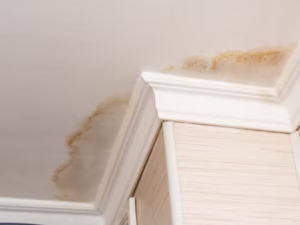
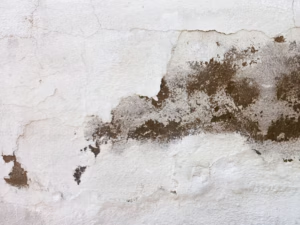
- Mold and moisture: Visible mold-like growth, water stains, and musty odors warrant investigation. Specialized testing may be appropriate.
- Sewer lines: Consider a camera-based sewer scope, particularly for older properties.
- Private wells and septic systems: Arrange appropriate inspections and water-quality testing where applicable.
- Pools and solar systems: Evaluate equipment, electrical connections, safety features, and visible structural conditions.
How to Choose a Professional Home Inspector?
Choose an inspector with relevant experience, verifiable qualifications, and a reputation for thorough reporting.
Ask whether the inspection includes the roof, foundation, electrical, plumbing, HVAC, attic, and accessible structural components. Confirm which additional services require separate appointments.
California’s Department of Real Estate homebuyer guidance recommends professional evaluations of major home systems and encourages buyers to consider separate termite inspections.
Protect Your Investment With Local Inspection Pros
Buying a home is one of the biggest financial moves you will ever make. Don’t rely on guesswork or rushed open-house visits to verify a property’s true condition.
Built Right Home Inspection delivers detailed, clear reports that help you make smart purchasing decisions. We proudly serve homebuyers across Bakersfield and surrounding areas.
Get your property inspected right the first time. Contact us today to schedule your inspection.
FAQs
1- How long does a professional home inspection usually take?
Most standard single-family home inspections take 2 to 4 hours. The exact time depends on the property’s size, age, condition, and accessibility.
2- Can a home fail a property inspection?
No, an inspection is not a pass-or-fail test. It assesses the home’s observable mechanical, structural, and safety conditions at the time of inspection.
3- Should I attend the inspection in person?
Yes, walking the property with your inspector lets you see issues firsthand and ask practical maintenance questions.
4- What fixes are considered mandatory after an inspection?
No repairs are automatically mandatory simply because they appear in an inspection report. However, certain mortgage programs may require you to resolve significant safety, structural, or habitability issues before closing.