At a Glance
- A drop in solar production doesn’t always mean something is broken. Compare output across similar weather conditions before assuming there’s a problem.
- Solar problems aren’t limited to the panels. Inverters, electrical connections, mounting hardware, and surrounding roofing materials can also need attention.
- If you’re buying a home with solar panels, check the system’s ownership, warranty, maintenance history, and performance records before closing.
You bought a home with solar panels, or maybe you had them installed a few years ago to bring down your electricity bills. Everything seemed fine at first. Then you noticed your power bill was higher than expected, or the monitoring app showed less energy production than usual.
It’s easy to brush off these changes, especially if the panels still look fine from the ground. But a solar system can develop problems that aren’t obvious just by looking at it.
For homeowners in Bakersfield and across Kern County, dust, summer heat, and long stretches of intense sunlight make regular attention to rooftop equipment worthwhile. Knowing when to schedule a solar system inspection can help you catch trouble early and understand whether your system is doing the job you expect it to do.
Your Solar Panels Aren’t Producing as Much Power as Before
One of the first things you’ll notice when a solar system has a problem is a change in electricity production. You might see lower numbers in your monitoring app or find that you’re buying more electricity from the utility than you used to.
Bakersfield’s dry weather means dust can settle on solar panels, particularly after windy days. A layer of grime can block sunlight from reaching the cells. Still, dirt isn’t always the explanation.
An inverter that isn’t working properly, a wiring issue, or a problem with one or more panels can also affect production.
Before assuming something is broken, compare your system’s output with previous periods that had similar weather. Solar production naturally changes with the seasons, and a few cloudy days aren’t cause for alarm.
If production stays low without a clear explanation, it’s time to consider a professional solar system inspection.
You Can See Damage on the Panels or Roof
A quick look at your roof from the yard can sometimes tell you something is wrong. Cracked glass, damaged panel frames, exposed cables, or hardware that appears out of place are all worth investigating.
You shouldn’t need to climb onto the roof to check. In fact, it’s safer to leave that work to someone equipped to properly inspect rooftop equipment.
Kern County gets plenty of sunshine, but it also experiences windy conditions and occasional storms. Falling branches and other impacts can damage panels, while movement or deterioration around mounting points can create installation problems.
Even if the system is still generating electricity, don’t ignore visible damage. Arrange a solar panel inspection to determine whether the equipment needs repair or further testing.
Your Inverter Is Showing a Warning or Error Code
Your inverter can tell you a lot about how your solar system is doing. If it starts flashing a warning light or showing an error code you haven’t seen before, take a closer look.
Check the monitoring app or the manual that came with your system. You may find an explanation for the alert. Sometimes, it’s a temporary issue. If the warning keeps coming back or your panels stop generating power, though, have a solar technician or qualified electrician check things out.
If your inverter feels scorching hot to the touch, or if you spot smoke, sparks, or catch a whiff of burning, step away from the unit immediately (if it’s safe to do so).
These are red flags for a severe electrical failure. Never try to pop the cover off or fix it yourself. If you see smoke or suspect a fire, call emergency services right away. Always have a certified electrician diagnose the issue before you even think about turning the system back on.
There’s a Leak Near the Solar Installation
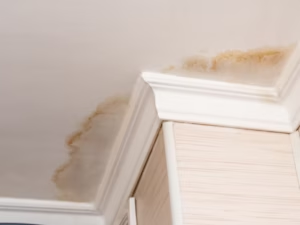
A water stain on the ceiling beneath your solar panels is something you shouldn’t put off investigating.
Solar panels don’t automatically cause roof leaks, but the hardware used to attach them can create vulnerable points if flashing, seals, or surrounding roofing materials fail. Sometimes the roof itself is the problem, not the solar installation.
This can be easy to overlook in Bakersfield, where long dry periods may pass without much rain to expose a weakness. A leak might only become noticeable after a significant storm.
Look for fresh ceiling stains, damp attic areas, or moisture near roof penetrations. A qualified professional can help determine whether the issue involves the roofing materials, the solar mounting hardware, or something unrelated.
It’s better to find the source before water damage spreads.
You’re Buying or Selling a Home With Solar Panels
When looking at a Bakersfield home with solar panels, start by asking the seller for the system’s age and original installation paperwork. Get the warranty details, past repair logs, and recent utility bills; these production numbers show how well the setup is actually performing.
Don’t forget to ask who actually owns the hardware, either. The panels might be completely paid off, but they could also be tied to an ongoing loan or a long-term lease with a solar provider.
This is worth sorting out before you close the deal. If the panels are leased or there’s still a loan to pay, you’ll need to understand what happens to that agreement when the house changes hands.
What Does a Professional Solar System Inspection Check
During a solar system inspection, the areas checked depend on the inspection type and how the system is installed. Here are a few things that may need attention.
| Component | What Gets Checked | Warning Signs |
|---|---|---|
| Solar panels | Glass, panel backing, and signs of heat damage | Cracked glass, peeling backing, discoloration, or suspected hot spots |
| DC wiring | Wire insulation, connections, conduit, and supports | Exposed wires, loose conduit, damaged insulation, or deteriorating junction boxes |
| Inverter | Error codes, operating condition, and safety features | Repeated fault warnings, unusual operating noises, or problems with shutdown features |
| Main electrical panel | Breaker sizing, panel capacity, grounding, and safety labels | Signs of overheating, incorrect breaker sizing, grounding problems, or missing required labels |
The U.S. Department of Energy provides information on solar photovoltaic systems and their operation, while repairs and specialized testing should be handled by appropriately qualified professionals.
For homeowners in Bakersfield, it’s worth paying attention to the condition of the roof around the panels, too. Years of sun exposure can take a toll on roofing materials, and the mounting points deserve a closer look if you notice leaks or signs of deterioration.
Keep Your Solar System Working as It Should in Bakersfield
You don’t need to worry every time your solar production changes. But damaged panels, recurring inverter warnings, unexplained drops in output, and roof leaks deserve attention.
If you’re buying a home, selling one, or simply concerned about an existing installation, Built Right Home Inspection can help you understand the visible condition of your property and identify areas that may need further evaluation.
FAQs
1- How do I know if my solar panels need an inspection?
Look for persistent drops in energy production, visible damage, recurring inverter warnings, or leaks near the installation. These are good reasons to have the system evaluated.
2- Does Bakersfield’s dust affect solar panels?
Yes. Dust buildup can reduce the amount of sunlight reaching the panels. If production remains low after the panels are cleaned, another issue may be responsible.
3- Can a home inspector tell me if my solar panels are working properly?
A home inspector can look for visible damage and other concerns, but confirming electrical performance may require specialized testing by a qualified solar professional.
4- Should I have the solar system inspected before buying a house?
Yes, especially if you don’t know the system’s age, maintenance history, or current performance. A separate evaluation can uncover concerns that might not show up during a standard home inspection.