At a Glance
- New construction homes can still have plumbing, electrical, HVAC, drainage, and workmanship problems.
- A new construction home inspection can catch issues that are easy to miss during a builder walk-through.
- Common findings include poor grading, faulty outlets, plumbing leaks, HVAC problems, and unfinished work.
- A pre-drywall inspection can uncover problems before wiring, plumbing, and framing are hidden behind walls.
- Finding defects before closing gives you a better chance of getting the builder to address repairs.
A brand-new home should feel like a clean slate. But new houses can still have loose outlets, drainage problems, unfinished work, and systems that don’t work as they should.
That’s why a new-construction home inspection is worth it. Before you close, an inspection can help you catch things that are easy to miss during a quick walk-through and give you a chance to ask the builder to fix them.
Why Do New Construction Homes Need Inspections
A brand-new house can still have problems. Maybe an outlet was wired incorrectly, a window sticks, or a contractor missed a small detail before moving on to the next job.
You probably won’t notice everything during a short walk-through. That’s where an independent inspection can make a difference.
A home inspection for new builds gives you another set of eyes before you take ownership. HUD recommends getting a home inspection because it gives buyers more detailed information about a property’s condition before they make a financial commitment.
What Are the Most Common New Construction Home Inspection Issues?
The most common new construction home inspection issues involve drainage, electrical work, plumbing, HVAC systems, windows, doors, insulation, and unfinished construction details.
Some are small. Others can get expensive if no one catches them early.
Poor Grading and Drainage
Water needs somewhere to go. If the soil around your foundation slopes toward the house instead of away from it, rainwater can collect right where you don’t want it.
Inspectors may find downspouts dumping water too close to the foundation, low spots in the yard, or missing extensions. EPA guidance also recommends ensuring the ground slopes away from the foundation to keep water from entering or collecting around the home.
Electrical Mistakes
Electrical problems aren’t always obvious when you’re walking through a new house. An inspector may find outlets that don’t work, missing GFCI protection, loose wiring, improperly installed fixtures, or labeling problems in the electrical panel.
GFCI protection is especially important around areas where electricity and water can meet. The U.S. Consumer Product Safety Commission recommends GFCI protection in bathrooms, kitchens, garages, and outdoor areas.
Plumbing Leaks and Installation Problems
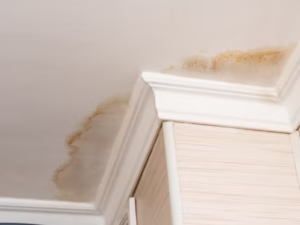
Plumbing problems can hide surprisingly well in a new house. A slow leak under a sink or a poorly connected drain may not show itself until you’ve been using the plumbing for a while.
An inspector checks accessible plumbing components, including fixtures, supply lines, drains, water heaters, and visible connections.
| Plumbing Component | What Inspectors May Find | Why It Matters |
|---|---|---|
| Water Heater TPR Valve | Missing or improperly installed discharge pipe | A pressure or temperature release can discharge very hot water into the surrounding area. |
| P-Traps | Missing, loose, or incorrectly installed traps under sinks | Sewer gas can enter the home, and poor drainage can create other problems. |
| Supply Lines | Loose connections or signs of leaking around fixtures | Even a small leak can damage cabinets, flooring, or nearby drywall. |
| Drain Lines | Poorly connected joints or slow drainage | Water can back up or leak into hard-to-see areas. |
| Shut-Off Valves | Valves that are difficult to operate or don’t fully stop the water | A faulty valve can make a plumbing emergency harder to control. |
| Toilets | Loose toilets, running water, or leaks around the base | A leak can eventually damage flooring and the subfloor. |
What HVAC Problems Can Show Up in a New Build?
A new HVAC system can still have a few issues. You might notice that one room isn’t getting enough air, a section of ductwork wasn’t insulated properly, or a vent is partly blocked.
Sometimes the thermostat isn’t reading the temperature correctly either. These aren’t always obvious during a quick walk-through.
Drainage problems can also occur around the HVAC system. EPA recommends keeping air-conditioning drip pans clean and drain lines unobstructed and flowing properly because moisture problems can contribute to damage and mold growth.
If something looks off with the installation, have a qualified HVAC professional take a closer look before you close.
What Other Defects Can Show Up in a New Build
Some new-construction home inspection issues are less serious but still worth adding to the builder’s repair list. You might find:
- Doors that stick or fail to latch properly
- Windows that don’t open, close, or lock correctly
- Missing caulking around exterior openings
- Damaged siding or trim
- Incomplete attic insulation
- Loose handrails or missing guards
- Cracked tile or poorly finished flooring
- Missing smoke or carbon monoxide alarms
- Garage door safety problems
- Incomplete paint and drywall work
None of these automatically means your builder did a terrible job. A new house involves many trades, materials, deliveries, and last-minute work.
An inspection’s purpose is to catch details while they can still be addressed.
Can Construction Defects Become Major Problems?
Yes. Sometimes a defect that looks minor at first can turn into a much bigger repair.
A real example involved Taylor Morrison homeowners in Texas who brought claims involving construction defects and mold in their new home. In Taylor Morrison of Texas, Inc. v. Skufca, the Texas Supreme Court considered whether the homeowners’ children could be required to arbitrate claims against the builder.
The court’s opinion describes allegations that the home developed significant mold issues less than a year after the family moved in.
These cases don’t mean every new home has hidden mold or serious construction defects. They show why documenting problems early matters.
When Should You Get a New Construction Home Inspection
Schedule the inspection before closing, while the builder still has time to correct problems.
Some buyers also choose a pre-drywall inspection before insulation, and drywall covers the framing, wiring, and plumbing.
That can be useful because once those areas are covered, you have far less opportunity to see what’s happening behind the walls.
What Happens After the Inspection
You’ll receive an inspection report that documents the inspector’s findings. You can then use it to create a repair list for the builder.
Don’t worry about simply having the longest list. Focus more on issues involving water, structure, electrical safety, plumbing, HVAC, and other systems that could become expensive or create safety concerns.
After the builder completes repairs, a follow-up inspection can confirm that significant items were actually addressed.
New Construction Home Inspection Issues You Should Not Ignore
A new home deserves a careful inspection just like an older home. You may have fewer years of wear and tear to worry about, but you still need to know whether the work was completed properly.
The right home inspection for new builds can uncover problems while the builder is still finishing the property.
Protect Your New Home Before You Close
At Built Right Home Inspection, the goal is straightforward: help you understand what you’re buying before you sign the final paperwork.
A professional inspection can uncover new construction home inspection issues that are easy to overlook during a builder walk-through, from plumbing and electrical problems to drainage and unfinished work.
If you’re buying a newly built home, schedule your inspection early enough to review the findings and discuss needed repairs with your builder.
FAQs
1- Is a home inspection necessary for a new construction home?
Yes. New homes can still have workmanship, installation, drainage, and safety defects that aren’t obvious during a builder walk-through.
2- Who pays for repairs found during the inspection?
That depends on your purchase agreement, builder warranty, and the type of problem. Review your contract to understand which repairs the builder must handle.
3- Can I attend the inspection?
Usually, yes. Being there can help you understand what the inspector finds and learn more about the home’s major systems.
4- What if the builder already completed a final walk-through?
You can still hire an independent inspector. A builder’s walk-through and an independent home inspection serve different purposes, and an inspection gives you another opportunity to identify issues before closing.